
HISTORY

OUR FOUNDING STORY
In 2012, long-time friends Amy Jorgensen and Kelly Brooks proposed to create a new non-profit art center in the historic Ephraim granary building. As local residents, artists, and teachers, they believed that a contemporary art center in Ephraim could be a creative driving force, educational resource, and frequented gathering place by making visual art engaging and accessible to the community. A labor of love in the truest sense, Granary Arts grew from the desire to enrich the place Jorgensen and Brooks call home. Today, Granary Arts remains dedicated to our rural roots as we reach out to the global art collective.

BUILDING AN ARTS COMMUNITY
Granary Arts is a Local Arts Agency, which is a designation through the Utah Division of Arts and Museums and a partnership with Ephraim City. We serve as an anchor for creative activity, providing access to diverse forms of art that facilitate public participation. We provide opportunities for artists, curators, makers, students, and educators to foster their creative vision. We also provide arts education to schools and the community through a variety of programs, workshops, public art projects, and other cultural events. Granary Arts is dedicated to placemaking by fostering the relationship between artists and the community through exhibitions and education.

PRESERVING THE ARCHITECTURE
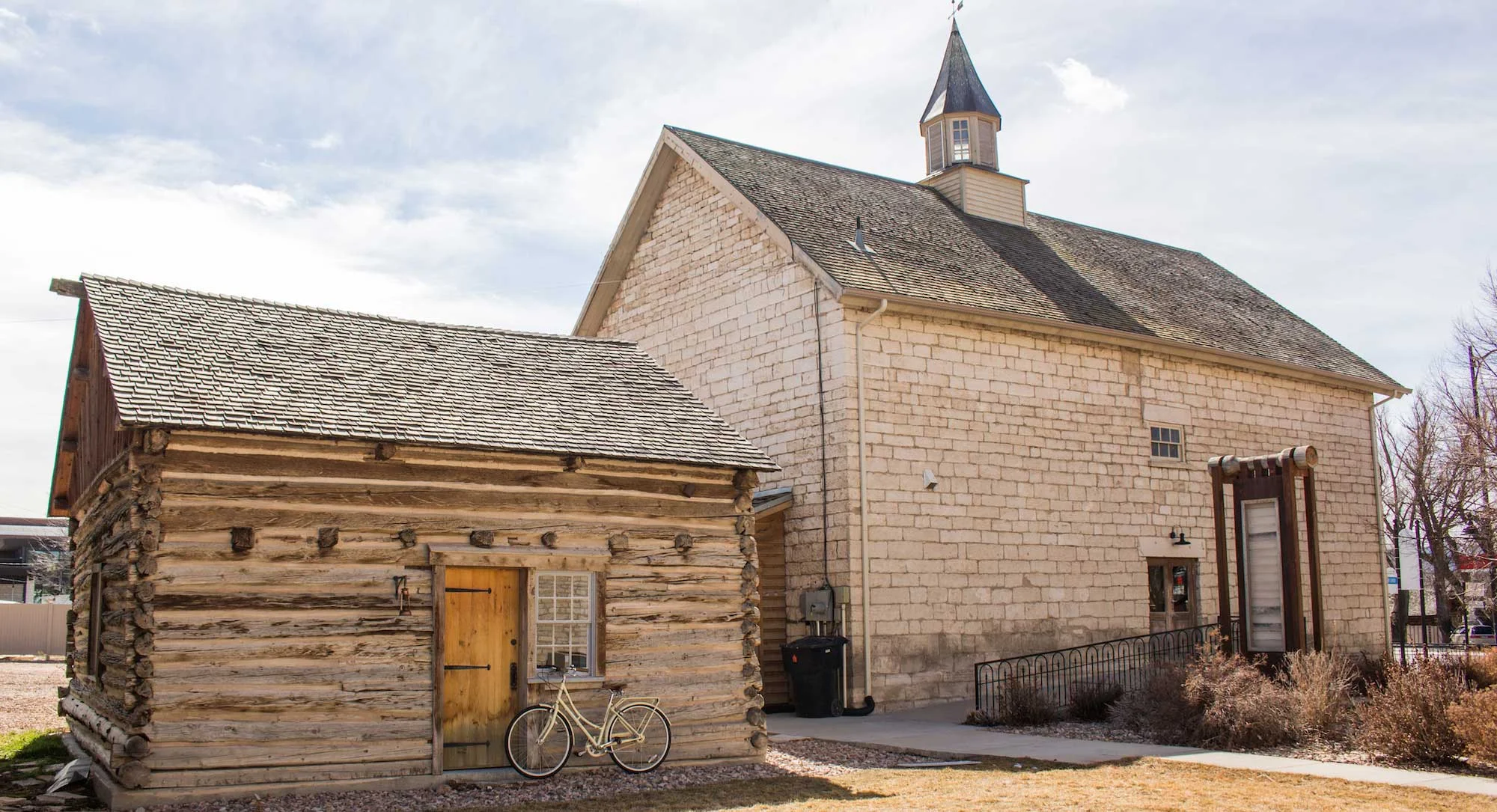
The beautiful historic Ephraim granary has a long and rich history of women working to build dynamic communities. Built in 1876 by the Female Relief Society, a local women's religious organization, to serve the poor and store wheat, the building was saved from demolition in 1990 by a coalition of artists led by Kathy Peterson. With the help of community volunteers the coalition spent countless hours restoring the oolite limestone structure. Once the building was renovated, it was converted to a community arts space.
A NEW CHAPTER
In 2025, after more than thirteen years of exhibitions, programs, and community-centered exchange, Granary Arts closed its physical gallery space as part of a thoughtful transition. What began as a contemporary arts venue in rural Utah, grew into a platform for critical dialogue, dynamic creativity, and meaningful community connections that extended far beyond our walls. In stepping away from a fixed location, we honor the legacy of these buildings and our rural community while making space for future projects and collaborations that continue to support artists, audiences, and ideas. The work endures here on this website in documentation, publications, video archives, and digital resources, and in the ongoing belief that #RuralisRadical and contemporary art belongs everywhere.
HISTORY OF EPHRAIM RELIEF SOCIETY GRANARY
Granary Arts Fellow Rhonda Lauritzen tells the story of the Ephraim Relief Society Granary, an oolitic limestone structure built in the 1870’s for the purpose of storing wheat inventories collected as part of the historic grain saving program run by the women’s organization of the Church of Jesus Christ of Latter-day Saints called the Relief Society. The building is now a locus for creative activity and the home of Granary Arts.
HISTORY OF CCA CHRISTENSEN
The story of Carl Christian Anton Christensen, a Scandinavian immigrant and Mormon pioneer artist known for his historical narrative paintings – visual records of early church history, unique depictions of pioneer settlements in the West, and his colloquial representation of work and community in Sanpete Valley.
INDIGINOUS Land Acknowledgement
Granary Arts would like to acknowledge and honor the indigenous people who inhabited this land before us. The land that surrounds us is part of who we are; it reflects our histories. It is important that we acknowledge that in Ephraim, Utah there is a longstanding history of the Núu-agha-tʉvʉ-pʉ̱ (Ute), and Southern Piute people on this land. We extend our gratitude for the care and keeping of this land to those indigenous people, and we recognize that they are still among us today. In doing so we pay respect to their continued cultural presence here and throughout the Núu-agha-tʉvʉ-pʉ̱ (Ute), and Southern Piute diaspora.